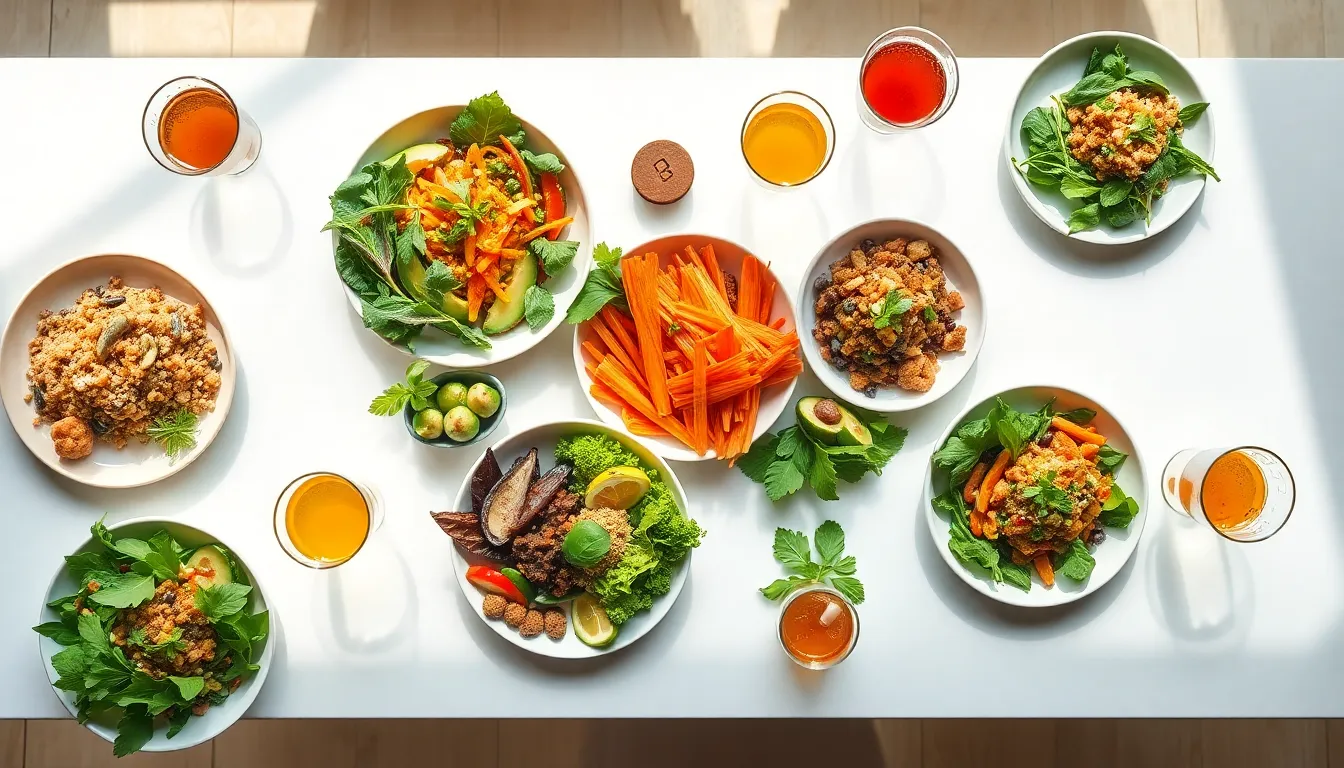
The top food trends of 2025 reflect a shift in how people think about what they eat. Consumers want meals that taste great, support their health, and align with their values. From plant-based proteins to global flavor fusions, this year’s food trends show a clear direction: quality matters more than ever.
This article explores the biggest food trends driving change across restaurants, grocery stores, and home kitchens. Each trend reveals something about modern eating habits and where the industry is heading next.
Table of Contents
ToggleKey Takeaways
- Plant-based proteins have gone mainstream in 2025, with improved taste and texture driving 44% of Americans to incorporate more plant-based foods into their diets.
- Global flavors, especially Korean and West African cuisines, dominate the top food trends as consumers seek authentic and adventurous taste experiences.
- Functional foods with adaptogens, gut-health benefits, and high protein content reflect consumers’ desire for meals that support wellness goals.
- Sustainability shapes purchasing decisions, with regenerative agriculture, upcycled ingredients, and reduced packaging attracting eco-conscious shoppers.
- Spice levels are trending upward as American palates grow more adventurous, boosting sales of hot honey, chili crisp, and fermented hot sauces.
- The top food trends of 2025 show that quality, health benefits, and environmental impact now matter more than ever to modern consumers.
Plant-Based Innovation Goes Mainstream
Plant-based eating has moved beyond niche health stores. In 2025, this food trend sits firmly in the mainstream. Major fast-food chains now offer plant-based burgers, nuggets, and breakfast items as permanent menu staples.
The technology behind plant-based proteins has improved dramatically. Products now mimic the texture, taste, and even the “bleed” of traditional meat. Companies use fermentation, precision protein development, and advanced food science to create options that satisfy even committed carnivores.
Consumer demand drives this shift. A 2024 survey found that 44% of Americans actively try to incorporate more plant-based foods into their diets. They cite health benefits, environmental concerns, and animal welfare as top reasons.
Grocery shelves tell the story clearly. Plant-based milk alternatives outsell traditional dairy in many urban markets. Oat milk, in particular, has seen explosive growth. And it’s not just milk, plant-based cheese, yogurt, and ice cream have all improved in quality and variety.
Restaurants respond to these top food trends by featuring creative vegetable-forward dishes. Chefs treat vegetables as stars rather than sides. Cauliflower steaks, jackfruit tacos, and mushroom-based dishes appear on fine dining menus alongside casual eateries.
This trend shows no signs of slowing. Investment in plant-based food companies reached record levels in 2024. The industry expects continued innovation in taste, price, and accessibility throughout 2025.
Global Flavors and Fusion Cuisine
Global flavors dominate the top food trends of 2025. Diners seek authentic tastes from around the world, and chefs deliver with creativity and respect for tradition.
Korean cuisine leads the charge. Gochujang, kimchi, and fermented ingredients appear in everything from tacos to pizza. Korean fried chicken has become a staple comfort food across the United States.
West African flavors gain momentum too. Jollof rice, suya spices, and palm oil-based dishes attract curious eaters. Food media highlights chefs who bring these flavors to broader audiences without diluting their authenticity.
Fusion cuisine takes a more thoughtful approach than in previous decades. Rather than haphazard mixing, chefs combine traditions with intention. A Japanese-Mexican taco might feature miso-glazed pork with pickled daikon. The combinations make sense because chefs understand both source cuisines deeply.
This food trend reflects changing demographics and increased travel. Second-generation immigrants share family recipes through social media. Food tourists return home craving dishes they discovered abroad. Streaming cooking shows introduce viewers to cuisines they’ve never tried.
Spice levels trend upward. American palates have grown more adventurous. Hot honey, chili crisp, and fermented hot sauces fly off grocery shelves. Even mainstream brands release “extra spicy” versions of classic products.
These top food trends encourage exploration. They push home cooks and professional chefs alike to expand their flavor vocabularies.
Functional Foods and Wellness-Driven Eating
Functional foods represent one of the most significant food trends in 2025. Consumers want their meals to do more than satisfy hunger, they expect health benefits with every bite.
Adaptogens lead this category. Ashwagandha, reishi mushrooms, and lion’s mane appear in coffees, snacks, and smoothies. These ingredients promise stress relief, mental clarity, and immune support. While research continues, consumer enthusiasm runs high.
Gut health remains a priority. Fermented foods like kefir, sauerkraut, and kombucha maintain their popularity. Prebiotic fiber shows up in unexpected places, crackers, cereals, and even pasta. Brands market their products with gut-health claims prominently displayed.
Protein obsession intensifies. High-protein versions of traditionally carb-heavy foods crowd grocery aisles. Protein pasta, protein ice cream, and protein chips target fitness-conscious shoppers. The average American now actively tracks protein intake more than any other macronutrient.
Sleep-supporting foods emerge as a subcategory. Magnesium-enriched drinks, tart cherry juice, and chamomile-infused snacks target the chronically sleep-deprived. These top food trends acknowledge that wellness extends beyond the gym.
Brands reformulate classic products to fit these preferences. Sugar reduction continues across categories. Natural sweeteners like monk fruit and allulose replace artificial alternatives. “No added sugar” claims drive purchase decisions.
This food trend connects eating to overall lifestyle goals. Food becomes a tool for optimization rather than simple nourishment.
Sustainable and Regenerative Food Practices
Sustainability stands as a defining theme among top food trends in 2025. Consumers increasingly consider environmental impact when making food choices.
Regenerative agriculture gains mainstream attention. This farming approach goes beyond sustainability, it actively improves soil health, sequesters carbon, and supports biodiversity. Brands partner with regenerative farms and display certifications proudly on packaging.
Food waste reduction becomes a competitive advantage. Restaurants highlight “root-to-stem” cooking that uses entire vegetables. Grocery stores sell “ugly” produce at discounts. Upcycled ingredients, made from food byproducts that would otherwise become waste, appear in chips, flours, and beverages.
Packaging innovation accelerates. Compostable wrappers, reusable containers, and minimal packaging options attract eco-conscious buyers. Some brands eliminate packaging entirely through refill stations and bulk options.
Local sourcing regains importance. Farm-to-table concepts expand beyond restaurants into grocery retail. Regional food hubs connect small producers with larger distribution networks. Consumers show willingness to pay premium prices for locally grown food.
These food trends intersect with technology. Blockchain traceability lets shoppers scan products and see exactly where ingredients originated. Vertical farms produce greens in urban centers, reducing transportation emissions.
The climate-conscious consumer drives these top food trends. They vote with their wallets for companies that demonstrate genuine environmental commitment. Greenwashing faces increasing scrutiny as shoppers become more sophisticated in evaluating sustainability claims.