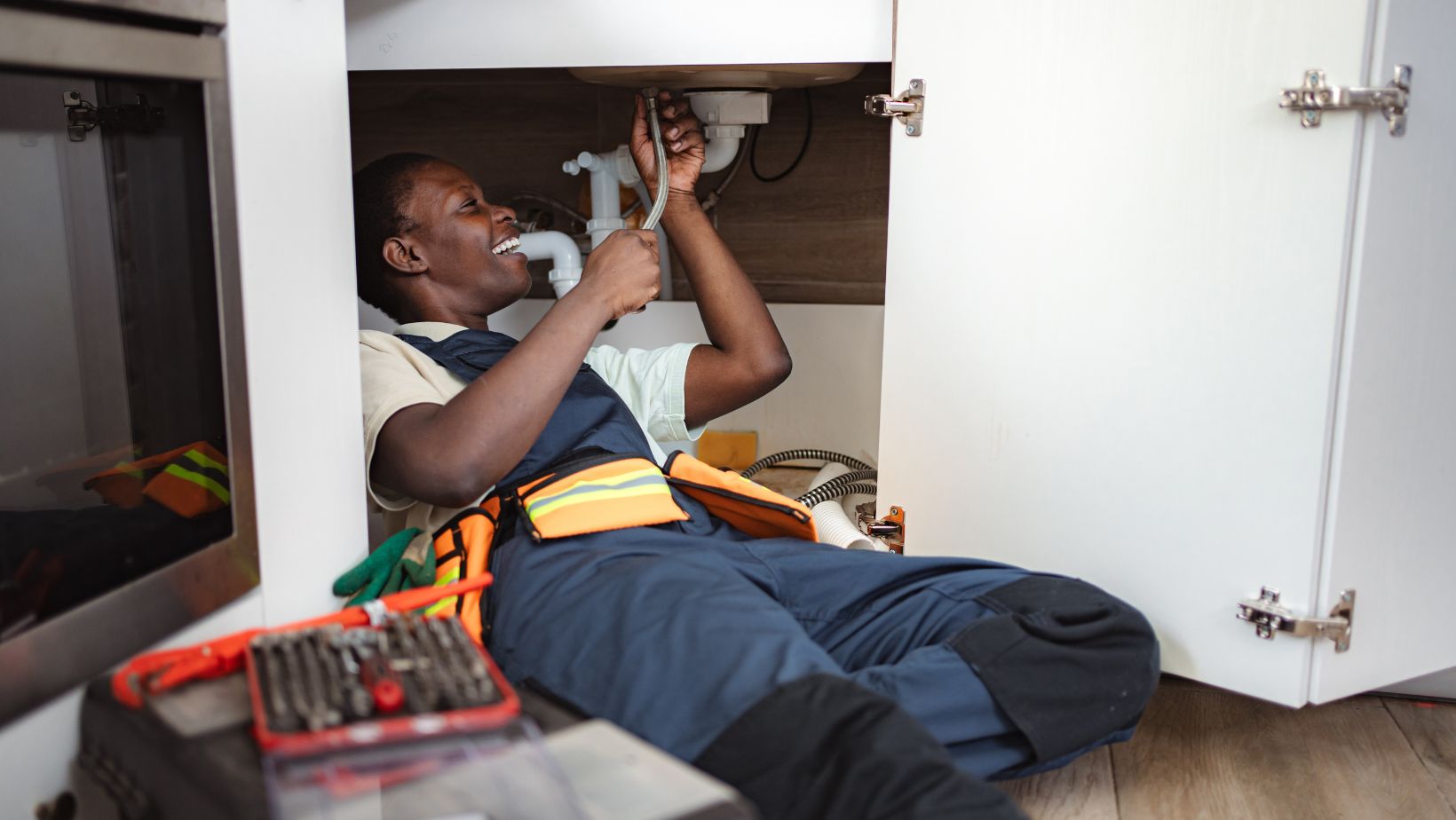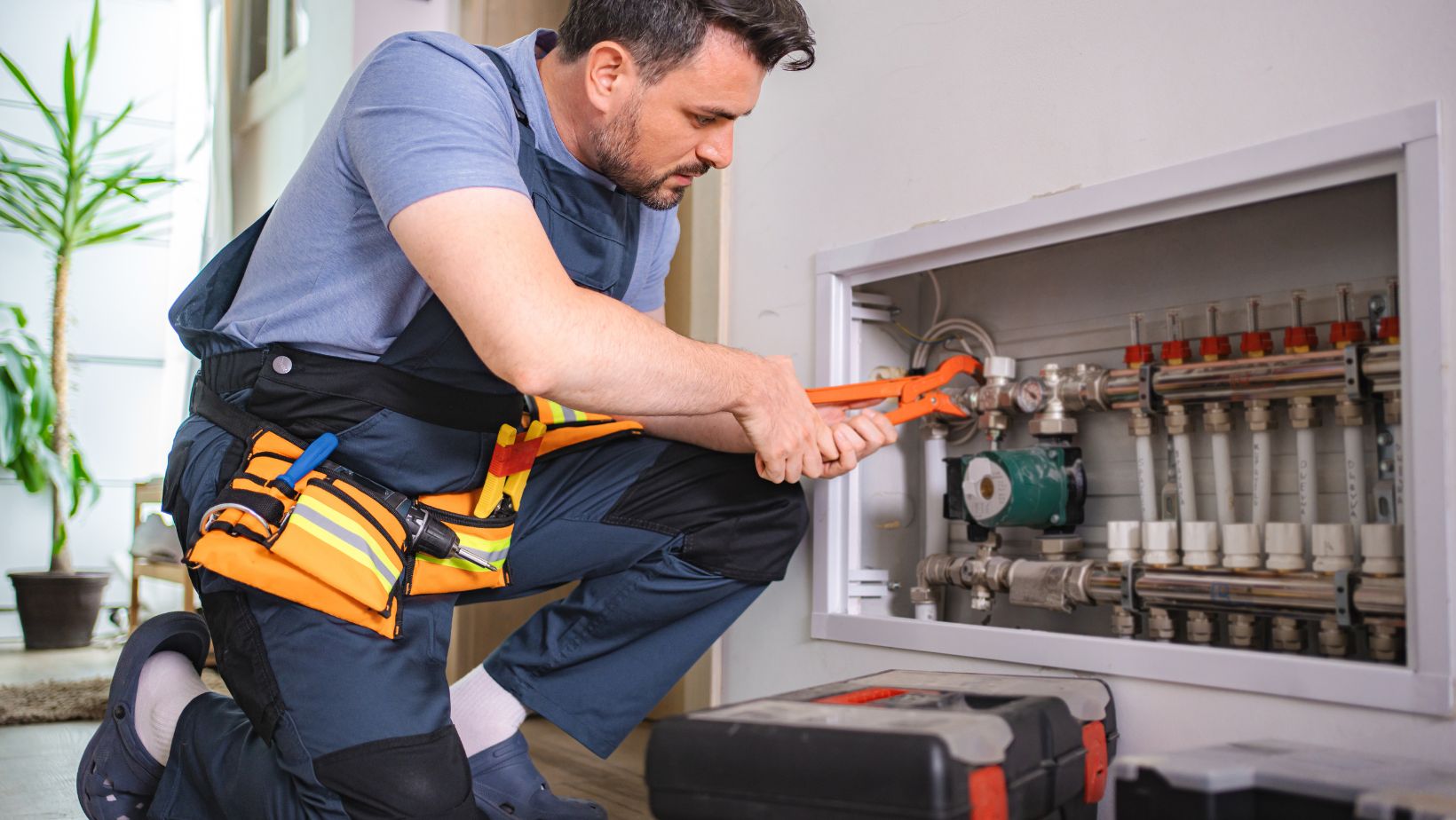
When plumbing issues arise at home, knowing whether to contact an emergency plumber or a traditional one can be crucial. The right choice can save time, money, and prevent further damage. This article explores the differences between these two types of plumbing services, focusing on when each is most appropriate. We’ll also delve into the cost differences and factors homeowners should consider to make the best decision for their needs.
Table of Contents
ToggleEmergency Plumber Near Me: When to Call for Immediate Help
An emergency plumber is typically called for urgent issues that require immediate attention. Burst pipes, severe leaks, or blocked drains that risk flooding are situations where an emergency plumber is essential. These professionals are available around the clock, ready to tackle urgent problems that can cause significant damage if not addressed promptly.
For example, if a homeowner experiences a sudden pipe burst during the night, contacting an emergency plumber ensures quick intervention to prevent extensive water damage. These plumbers often carry specialized tools for rapid fixes, such as high-pressure water jets for clearing severe blockages. When in doubt, searching for an Plumber Near Me can guide you to local services ready to handle emergencies.
Moreover, emergency plumbers are trained in specific techniques like asbestos abatement procedures, which are crucial for older homes prone to hazardous material exposure during plumbing repairs. This expertise ensures that repairs are not only quick but also safe.
Traditional Plumber Services: Understanding Routine Repairs
Traditional plumbers are typically engaged for routine maintenance and non-urgent repairs. These might include installing new fixtures, performing regular maintenance checks, or addressing minor leaks. Their services are generally scheduled in advance, allowing homeowners to plan accordingly.
For example, if you are renovating your bathroom or upgrading to an Energy Star Certification plumbing system, a traditional plumber would be the right choice. They can provide detailed assessments and installations without the urgency associated with emergency repairs.
In addition, traditional plumbers might offer services such as indoor environmental quality (IEQ) metrics assessments, ensuring that your plumbing systems contribute positively to the home’s overall air quality and environmental health. This service is particularly valuable in homes with smart home integration, where plumbing can be linked to broader home automation systems.
Comparing Costs: Emergency vs. Traditional Plumbing Services
The cost of plumbing services can vary significantly between emergency and traditional options. Emergency services often come with a premium due to their immediate availability and specialized equipment. Homeowners should expect to pay more for these services, especially outside regular business hours.
Conversely, traditional plumbing services are generally more affordable, with costs dependent on the complexity of the repair or installation. Routine maintenance, such as a water efficiency audit, can be planned and budgeted, often resulting in lower overall expenses.
Recent analysis from HomeAdvisor indicates that emergency plumbing services can be up to 50% more expensive than traditional services due to the need for rapid response and specialized equipment. Thus, understanding the nature of the plumbing issue is essential for cost-effective decision-making.
Choosing the Right Service: Factors to Consider for Your Needs
When deciding between an emergency plumber and a traditional one, several factors should be considered. The urgency of the issue, potential risks, and budget constraints are primary considerations. For immediate threats to home safety, such as significant leaks or the risk of water damage, an emergency plumber is the best choice.
However, for planned upgrades or minor repairs, traditional plumbers provide a more cost-effective solution. Their expertise can be invaluable for projects involving sustainable landscaping practices or universal design consultant recommendations, ensuring that renovations align with broader home and family needs.
Furthermore, consulting a childproofing consultant can be beneficial when planning plumbing upgrades, especially in homes with young children, to ensure safety and accessibility are prioritized.
Conclusion
Choosing between an emergency plumber and a traditional plumber depends on the specific needs and circumstances. Emergencies require swift action to prevent damage, while regular maintenance can be handled by traditional services that offer budget-friendly solutions. By assessing the urgency and nature of your plumbing issue, you can make an informed decision that protects your home and family while managing costs effectively.