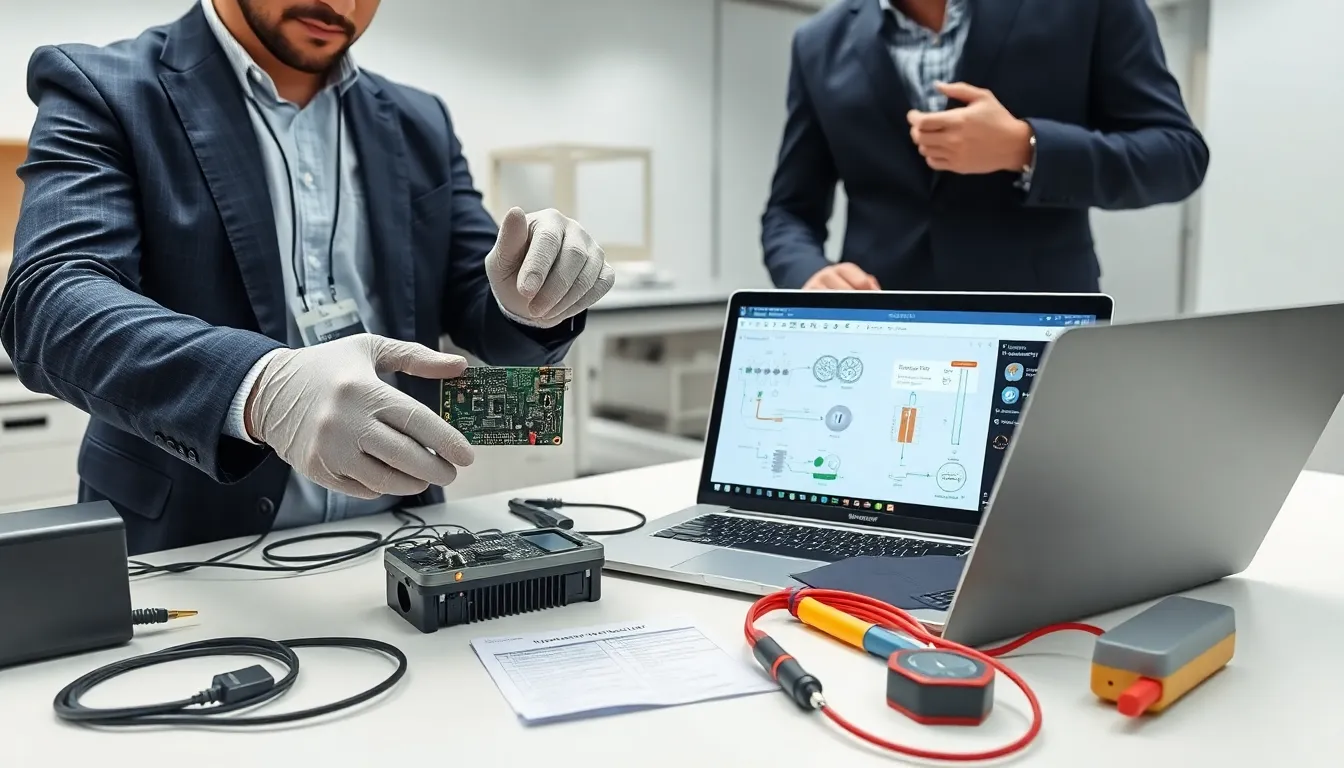
Tgc9m24 is a compact device for data capture and edge processing. It stores sensor input and sends filtered results to cloud services. The device targets field teams and small data operations. This article explains what tgc9m24 does, its specs, and how to use it.
Table of Contents
ToggleKey Takeaways
- Tgc9m24 is a compact low‑power edge module that captures sensor data, runs local filtering/aggregation, and reduces cloud bandwidth by sending only processed results.
- With an ARM Cortex‑M MCU, 256 MB flash, multiple ADC/I2C/SPI/UART ports, and Ethernet/Wi‑Fi/BLE (optional LTE), tgc9m24 supports common environmental, industrial, and asset‑tracking sensors for remote deployments.
- Follow the provided step‑by‑step setup—install drivers, configure network and pins, upload a sampling profile, and test sensor reads—to bring tgc9m24 online in under an hour for most technicians.
- For reliable operation, place the module away from heat, seal enclosures for moisture, enable local buffering and scheduled uploads, and use secure boot/TLS with credential rotation.
- Choose tgc9m24 when you need low power, simple integration, and intermittent connectivity handling, but opt for larger gateways or SBCs if you require heavier on‑device analytics or long‑term local storage.
What Is Tgc9M24?
Tgc9m24 is a small hardware module that reads sensor data and runs local analysis. It uses low-power computing to reduce cloud bandwidth. Engineers design the device for remote deployments. Companies use tgc9m24 to collect environmental, industrial, and logistic data.
The device pairs with common sensors over standard interfaces. It supports serial, I2C, SPI, and analog inputs. Users can run simple scripts on tgc9m24 to filter, aggregate, and timestamp readings before they send data out. The device stores local logs for offline recovery. It also offers optional secure links for cloud upload.
Key Features And Specifications
Tgc9m24 offers a clear feature set aimed at field use.
- Processor: ARM Cortex-M series microcontroller with real-time support. The chip lets tgc9m24 handle sensor polling with low latency.
- Memory: 256 MB flash and 64 MB RAM. The storage lets tgc9m24 keep logs and small models.
- Connectivity: Ethernet, Wi‑Fi, Bluetooth Low Energy, and optional LTE. These options let tgc9m24 connect in offices and remote sites.
- I/O: Multiple ADC channels, I2C, SPI, UART. The ports let tgc9m24 link to many sensors.
- Power: 3.3–5 V input and low-power modes. The design lets tgc9m24 run on batteries for extended periods.
- Security: Hardware-backed secure boot and TLS support. These features let tgc9m24 protect data in transit.
- Physical: Compact PCB module with mounting holes. The form factor lets tgc9m24 fit into enclosures.
Manufacturers document the pinout and recommended operating conditions. They publish a simple API for reading data, configuring filters, and scheduling uploads. Tgc9m24 also supports OTA firmware updates in most releases.
Common Use Cases And Who Should Use It
Tgc9m24 suits small teams and operations that need edge capture.
- Environmental monitoring: Field researchers use tgc9m24 to log temperature, humidity, and air quality.
- Industrial sensing: Maintenance crews use tgc9m24 for vibration and current monitoring on machines.
- Asset tracking: Logistics teams attach tgc9m24 to containers for location and shock detection.
- Prototyping and education: Makers and educators adopt tgc9m24 for rapid sensor projects.
Small businesses and teams with limited IT support find tgc9m24 useful. The device simplifies data capture and lowers the cost of cloud ingestion. It fits cases where intermittent connectivity makes constant cloud streaming impractical. Engineers who prefer local pre-processing will find tgc9m24 efficient.
How To Install And Use Tgc9M24
System Requirements
A user needs a host computer for initial setup. The host runs Windows, macOS, or Linux. The computer needs a USB port and a terminal program. The user also needs the device drivers and the tgc9m24 configuration tool.
Step-By-Step Setup Guide
- Unpack the tgc9m24 module and inspect for damage. 2. Connect the module to the host with the USB cable. 3. Install the provided drivers. 4. Open the configuration tool on the host. 5. Set the network parameters for Ethernet or Wi‑Fi. 6. Attach sensors to the listed pins. 7. Use the tool to map sensor inputs to channels. 8. Upload an initial sampling profile. 9. Test a sensor read in the terminal. 10. Mount the module in its enclosure and deploy.
Technicians who follow these steps will bring tgc9m24 online in under an hour in most cases.
Best Practices For Reliable Operation
Place tgc9m24 away from heat sources. Seal the enclosure against moisture for outdoor use. Configure local data retention to survive brief network outages. Use scheduled uploads at off-peak hours to save bandwidth. Enable secure boot and TLS to protect credentials. Keep one spare module on hand for fast swap-outs.
Troubleshooting And Maintenance
Common Issues And Quick Fixes
Issue: Device fails to boot. Fix: Check power supply voltage and polarity. Re-seat the module in its connector. Use the serial console to read boot messages.
Issue: Sensors return no data. Fix: Verify wiring and sensor power. Check pin mapping in the configuration tool. Swap the sensor with a known-good unit.
Issue: Network fails on Wi‑Fi. Fix: Confirm SSID and password. Move the device closer to the access point. Try Ethernet to isolate wireless issues.
Issue: Data gaps. Fix: Increase local buffer size and enable retry logic. Check storage health and clear old logs.
Updating, Safety, And Routine Maintenance
Update firmware via the official OTA channel or USB when a maintenance window exists. Back up configuration files before updates. Inspect the enclosure every six months for corrosion or moisture. Replace the backup battery or capacitor annually if deployed remotely. Follow local regulations for disposal of electronic components. Keep device credentials in a secure store and rotate keys on a schedule.
Pros, Cons, And Alternatives
Tgc9m24 offers clear benefits and some limits.
Pros:
- Low power use for battery operation. The device suits long field deployments.
- Multiple connectivity options reduce single-point failure risk.
- Simple API and compact form factor speed integration.
Cons:
- Limited on-board storage for long-term logging without upload.
- Advanced analytics require external processing or a larger module.
- LTE version adds cost and power draw.
Alternatives:
- Larger edge gateways with more CPU and storage when heavy processing is needed. These alternatives cost more and use more power.
- Single-board computers like small ARM boards when users need full Linux stacks. They demand more setup and maintenance.
- Cloud-only sensors that stream raw data. These sensors reduce local control and increase bandwidth use.
Teams should match the device to the use case. Where tgc9m24 fits, it keeps costs and power use low. Where they need heavy local processing, they should pick a larger gateway.
Where To Buy, Pricing, And Support Resources
Manufacturers sell tgc9m24 through authorized distributors and online stores. Buyers can order single units for testing and volume orders for deployment. Pricing varies by configuration. The base module sells at a lower tier. Versions with LTE or industrial certifications cost more.
Support comes from official documentation, community forums, and paid support plans. The vendor publishes a user manual, API reference, and troubleshooting guides. Communities share sample code and integration recipes. Buyers who need guaranteed SLAs can buy vendor support plans. Developers can find sample projects and scripts on the vendor Git repository.