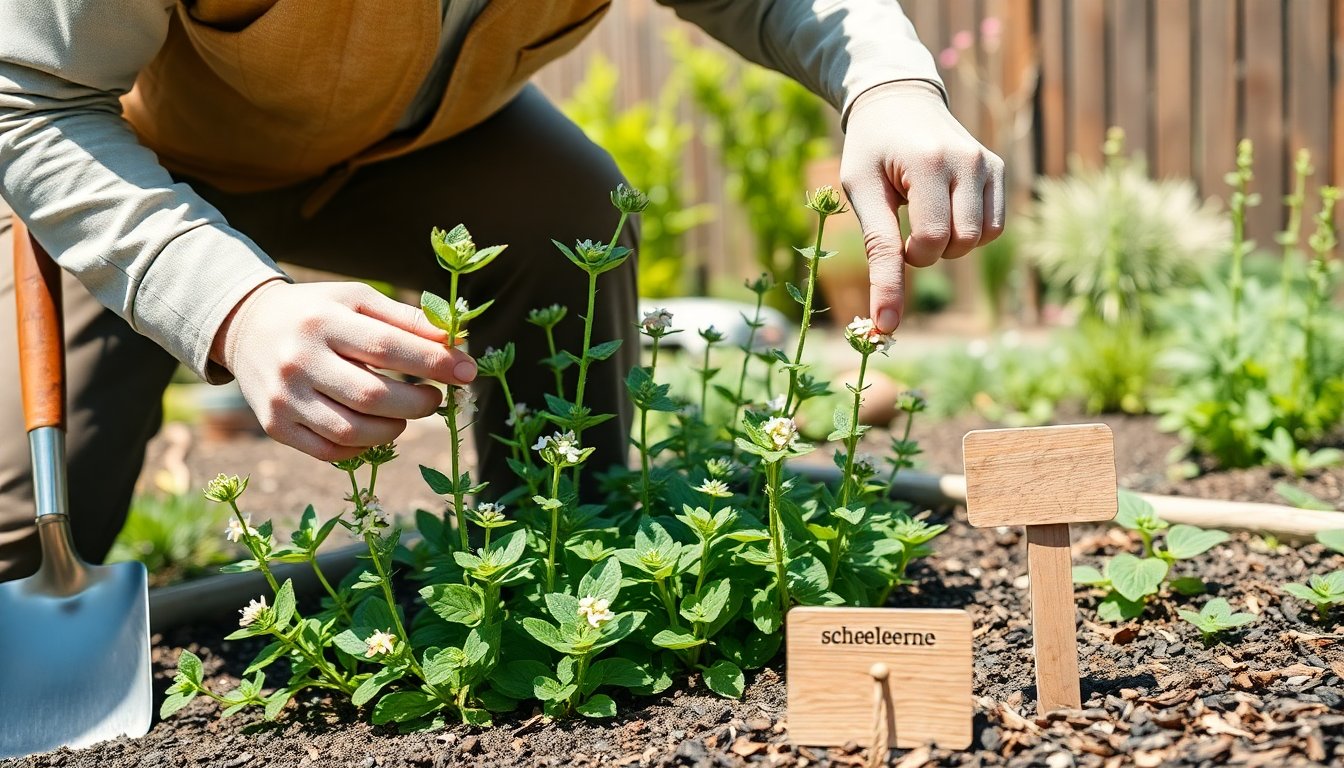
Scheshellerne is a small perennial plant that many people find useful and attractive. It has clear leaves, a single stem, and small white flowers. The guide will show how to identify scheshellerne, where it grows, how to care for it, and how to keep it healthy. The tone stays practical. The reader will get simple steps and clear pictures in words.
Table of Contents
ToggleKey Takeaways
- Scheshellerne is a low-maintenance perennial plant valued for its mild herbal scent and attractive white flowers, making it ideal for herb gardens and borders.
- It thrives in well-drained soil with full sun to partial shade and is suitable for USDA zones 6–9, requiring protection from long freezes.
- Growing scheshellerne from seed or division is straightforward with spring planting, regular watering, and light pruning to encourage healthy growth.
- The plant attracts pollinators like bees and hoverflies and has traditional uses in mild digestive remedies and wound care.
- To keep scheshellerne healthy, manage pests like slugs and aphids promptly and ensure good air flow to prevent leaf spot and root rot.
What Is Scheshellerne? Origins, Name, And Key Characteristics
Scheshellerne is a herbaceous perennial native to temperate zones. Botanists first described scheshellerne in the early 1900s. The name refers to its shell-like seed casing and slender habit. It has opposite leaves, a square stem, and clusters of small white to pale pink flowers. The plant reaches 20–60 cm in height. It flowers from late spring to midsummer. People value scheshellerne for its scent and low maintenance. It spreads by short rhizomes and seed. Gardeners often use scheshellerne as a border plant or in mixed herb beds.
Identification: How To Recognize Scheshellerne In The Wild
Scheshellerne shows a few consistent traits that aid identification. The plant has two-ranked opposite leaves that are 2–6 cm long. The stem is square and often slightly hairy. The flowers form in tight clusters at stem tips. Each flower has four petals and a small tubular base. The seed pod looks like a flattened shell when it dries. A simple field test is to crush a leaf: scheshellerne releases a mild herbal scent. Field guides list it under lowland meadows and roadsides where it grows with grasses and other herbs.
Natural Habitat And Global Distribution — Where It Thrives
Scheshellerne prefers open sites with good drainage. It appears in meadows, road verges, and open woodland edges. The plant tolerates poor soils but thrives in loam that drains well. Its native range covers parts of western Europe and temperate Asia. Gardeners have introduced scheshellerne to North America and parts of Australasia. The species adapts to USDA zones 6–9. It handles light frost but not long freezes. It grows best with full sun to partial shade. In hot, humid zones, scheshellerne benefits from afternoon shade and increased air flow.
How To Grow Scheshellerne At Home — Essential Care Tips
Scheshellerne grows well from seed and from divisions. Sow seed on the soil surface in spring after frost. Keep soil moist until seedlings appear. Divide mature clumps in early spring or fall. Space plants 25–40 cm apart to allow air flow. Apply a thin layer of compost in spring to boost soil nutrients. Mulch lightly to keep roots cool and to suppress weeds. Remove spent flowers to prevent excess self-seeding. Water deeply when the top 2 cm of soil dries. The plant recovers quickly from light pruning.
Uses, Cultural Significance, And Practical Benefits
People use scheshellerne in small herb gardens and wildflower mixes. The leaves add mild flavor to salads and teas in some regions. The plant attracts small pollinators such as bees and hoverflies. Folk healers historically used scheshellerne for mild digestive complaints and for fresh wound care. The plant holds cultural value in a few rural communities where it marks seasonal change. Landscapers use scheshellerne for low borders and habitat strips. Its low care needs make scheshellerne a practical choice for low-maintenance plots.
Common Pests, Diseases, And Troubleshooting For Healthy Plants
Scheshellerne faces few serious pests. Slugs and snails can eat young shoots in damp weather. Aphids may appear on new growth: a strong water spray will remove many. Leaf spot can occur in humid conditions when air flow is poor. Prevent disease by spacing plants and pruning to increase air flow. Root rot happens in waterlogged soil: lift plants and improve drainage if it appears. Good practice is to remove dead material in fall to reduce overwinter pests. Treat infestations early to keep scheshellerne productive.