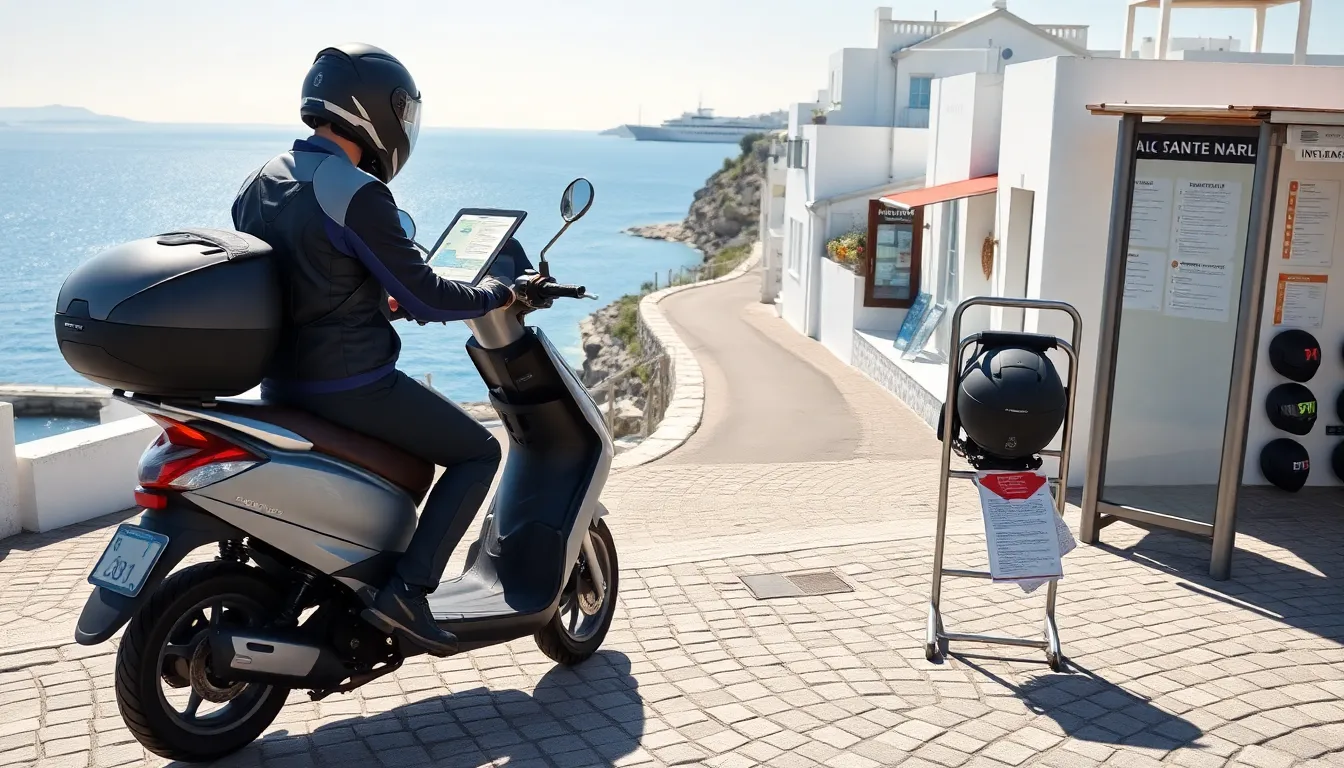
μοτοκονηση guides readers on motorcycling in Greece. The guide explains practical tips, rules, and safety. It gives clear advice for city rides and island trips.
Table of Contents
ToggleKey Takeaways
- μοτοκονηση means motorcycling in Greece and offers fast, flexible travel for city commuting, island hops, and scenic touring.
- Choose a small-displacement scooter for narrow city and island roads or a dual-sport bike for mixed pavement and dirt to match your μοτοκονηση itinerary.
- Carry a valid driving license (plus an International Driving Permit if non-EU), rental documents, and basic insurance information to avoid fines or impoundment.
- Practice defensive riding: reduce speed on blind corners, watch for loose gravel, livestock, and strong coastal winds, and increase following distance in wet conditions.
- Plan routes and departure times to skip peak traffic, keep fuel topped, use local SIMs or offline maps, and lock helmets and documents in a waterproof folder.
- Inspect tires, brakes, lights, and fluids before each ride, book rentals early to save money, and secure parking and local mechanic contacts to minimize breakdown risk.
What Motokinisi Means And Why It Matters
μοτοκονηση means motorcycling in Greek. It refers to urban commuting, touring, and island travel by motorcycle. Riders use μοτοκονηση for speed, convenience, and savings. Visitors learn local culture faster when they use μοτοκονηση. Cities reward small vehicles with easier parking and lower fuel use. Islands offer short distances and scenic roads that suit motorcycles. Local businesses support μοτοκονηση with rental shops and repair stalls. Riders save time in traffic and find flexible routes on narrow streets. Understanding μοτοκονηση helps travelers plan better trips and avoid common problems.
Benefits Of Choosing A Motorcycle For City And Island Travel
A motorcycle saves time in congested Greek cities. It reduces fuel costs and parking fees. A rider reaches viewpoints and small villages that cars cannot. Small bikes work well on narrow island roads. A rider enjoys better fuel economy on ferries and short-range routes. Motorcycle rental prices often stay lower than car rentals. A rider finds parking in compact city lots and side streets. Traffic moves faster for motorcycles in many urban centers. A motorcycle gives a sense of freedom on coastal roads and mountain passes. For these reasons, many tourists choose μοτοκονηση for short trips and island hopping.
Legal Requirements And Licensing Basics In Greece
Greece requires a valid driving license for motorcycles. EU licenses work across Greece. Non-EU visitors must carry an International Driving Permit with their home license. Rental agencies request proof of license and ID. Riders must register the rental documents and carry them while they ride. Insurance must cover third-party liability at minimum. Rental firms often include basic insurance in the price. Riders should check insurance limits and optional cover. Helmets must meet national safety standards. Police may stop riders for license, registration, and helmet checks. A rider who ignores these rules risks fines or impoundment. For proper compliance, a visitor confirms rules with their rental firm before travel.
Safety Considerations And Common Road Hazards
Riders face uneven pavement in many areas. They encounter loose gravel and sudden potholes near old towns. Drivers open doors without looking in crowded zones. Strong crosswinds affect stability on coastal roads. Sheep and other animals sometimes cross rural roads. Nighttime lighting stays poor on remote routes. A rider lowers speed in tight turns and on blind corners. Wet roads reduce traction and increase stopping distance. A rider keeps extra distance from larger vehicles. Tourists should avoid risky maneuvers when traffic looks unpredictable. A focus on simple defensive riding reduces crash risk. For safer μοτοκονηση, riders adopt cautious speeds, check local weather, and use clear signaling.
Practical Tips For Riding In Greek Conditions
Riders choose departure times to avoid peak traffic. They plan routes with a mix of main roads and quiet lanes. A rider fills fuel before long stretches of road. They keep a small tool kit and a spare tube for short repairs. They use a local SIM or offline maps for clear directions. Riders lock helmets and gear when they leave bikes unattended. They carry photocopies of documents in a waterproof folder. A rider checks weather forecasts before island crossings. They practice mounting and dismounting on cobblestone streets. For μοτοκονηση, riders favor steady speeds and clear lane positions. They respect local speed limits and follow traffic signs.
Choosing The Right Bike And Essential Gear
Riders select bikes that match road type and trip length. Small-displacement scooters suit city use and short island trips. Dual-sport or small touring bikes suit mixed pavement and dirt. A rider considers luggage capacity when they plan multi-day trips. They choose bikes with secure mounts for bags. Riders buy helmets that fit and meet safety standards. They wear protective jackets, gloves, and boots. A rider adds hi-vis vests for night and low-light riding. They use rain suits for sudden downpours. For μοτοκονηση, comfort and practicality matter most. Riders test gear in short rides before long tours.
Maintenance, Parking, And Cost Considerations
Riders inspect bikes before each ride. They check tires, brakes, lights, and fluid levels. They address small issues early to avoid breakdowns. Local mechanics welcome repair work in most towns. Riders use rental shops for basic maintenance during a trip. They park in marked motorcycle zones when possible. They use locks and alarms in busy areas. A rider asks locals about safe parking spots in each town. Fuel costs vary between islands and mainland. Peak season increases rental rates and service prices. Riders compare rental deals across providers and book early for the best price. For μοτοκονηση, careful budgeting reduces surprises.