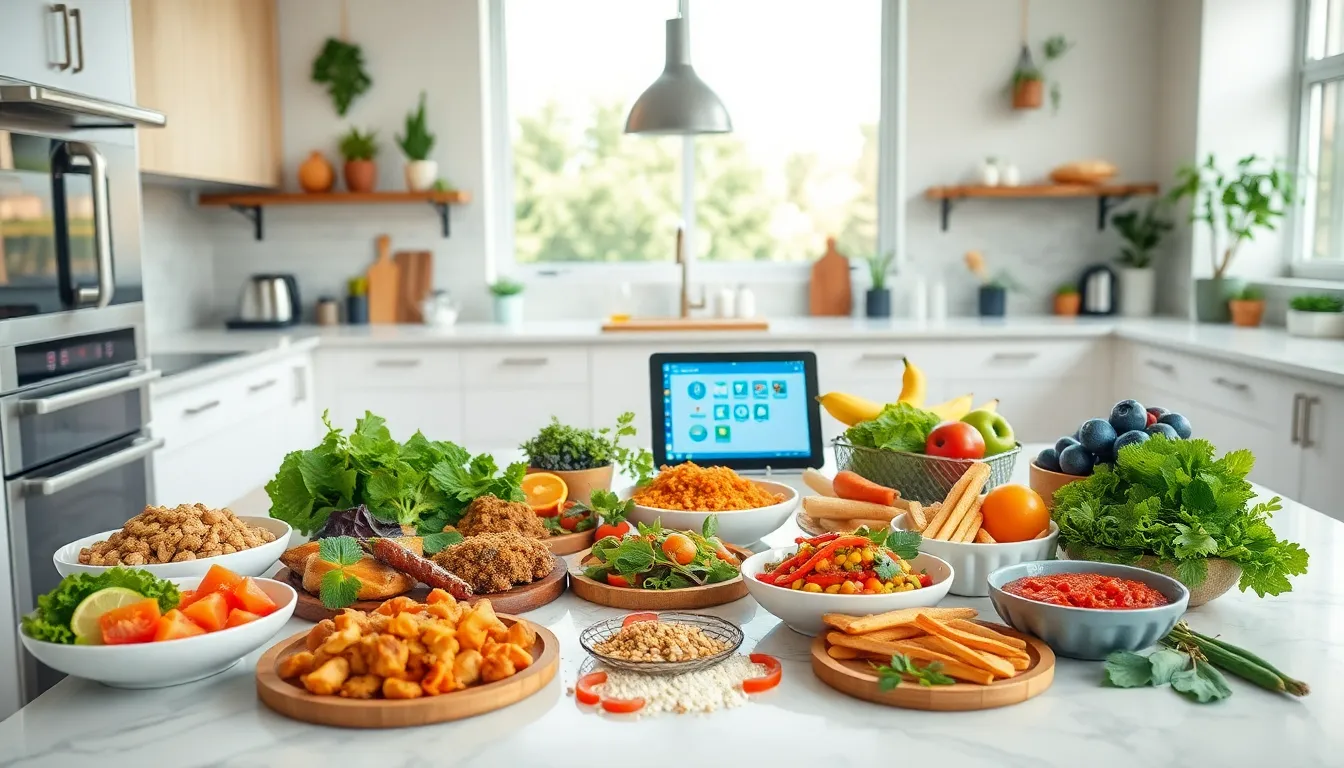
Food trends are changing how people shop, cook, and dine in 2025. From plant-based proteins to AI-powered meal planning, the food industry continues to evolve at a rapid pace. Consumers now demand more transparency, sustainability, and global flavor experiences than ever before. This shift reflects broader changes in health awareness, environmental concerns, and cultural curiosity. Understanding these food trends helps restaurants, food brands, and home cooks stay ahead of what’s next on the plate.
Table of Contents
ToggleKey Takeaways
- Food trends in 2025 are driven by consumer demand for transparency, sustainability, and authentic global flavors.
- Plant-based innovation has expanded beyond burgers to include precision-fermented dairy, cultivated meat, and seafood alternatives.
- Global cuisines like West African, Filipino, Korean, and Middle Eastern dishes are gaining mainstream popularity thanks to social media exposure.
- Sustainability-focused food trends include zero-waste cooking, regenerative agriculture, and eco-friendly packaging alternatives.
- Technology is transforming food culture through AI-powered meal planning, ghost kitchens, smart appliances, and blockchain supply chain tracking.
- Understanding current food trends helps restaurants, brands, and home cooks stay ahead and align with evolving consumer values.
Plant-Based Innovation Takes Center Stage
Plant-based food trends have moved far beyond basic veggie burgers. In 2025, food scientists and startups are creating products that mimic the texture, taste, and even cooking behavior of animal proteins. Companies like Impossible Foods and Beyond Meat continue to refine their offerings, but newer players are entering the market with precision-fermented dairy and cultivated meat options.
Consumers aren’t just buying plant-based for ethical reasons anymore. Many choose these products for health benefits, including lower cholesterol and reduced saturated fat intake. A 2024 report from the Good Food Institute showed that the plant-based food market reached $8.1 billion in U.S. retail sales alone.
Restaurants are responding to these food trends by expanding their plant-based menus. Fast-food chains now offer meatless options as permanent menu items rather than limited-time promotions. Fine dining establishments are getting creative too, chefs use techniques like smoking, curing, and aging on vegetables to create dishes that rival traditional meat courses.
The innovation extends to seafood alternatives as well. Plant-based shrimp, tuna, and salmon products are gaining shelf space in grocery stores. These options appeal to consumers worried about overfishing and ocean sustainability. As food trends continue to prioritize health and environmental impact, plant-based innovation shows no signs of slowing down.
Global Flavors and Regional Cuisines on the Rise
Food trends in 2025 reflect a growing appetite for authentic global flavors. Consumers are moving past generic “international” options and seeking specific regional cuisines. West African dishes like jollof rice and suya are appearing on menus across the United States. Filipino food, including adobo and sinigang, has gained mainstream recognition after years of being underrepresented.
This shift in food trends comes partly from social media exposure. Platforms like TikTok and Instagram have introduced millions of users to dishes they’d never encountered before. A viral video can turn an obscure regional specialty into a must-try sensation overnight.
Korean food continues its strong influence on American dining. Gochujang, the fermented chili paste, has become a pantry staple for home cooks. Korean fried chicken shops have proliferated in major cities. Even traditional Korean ingredients like perilla leaves and doenjang are becoming easier to find in mainstream grocery stores.
Middle Eastern and North African (MENA) cuisines are also driving food trends forward. Spice blends like za’atar, baharat, and ras el hanout are showing up in everything from roasted vegetables to cocktails. Dishes such as shakshuka and muhammara have transitioned from niche restaurant offerings to weeknight dinner staples.
This embrace of global food trends benefits everyone. It creates opportunities for immigrant-owned businesses and introduces diners to new flavor profiles. It also encourages cultural exchange and appreciation through the universal language of food.
Sustainability and Conscious Eating
Sustainability has become one of the most significant food trends of the decade. Consumers increasingly want to know where their food comes from and how it impacts the planet. This awareness is changing purchasing decisions at every level, from grocery shopping to restaurant dining.
Food waste reduction sits at the center of these food trends. Apps like Too Good To Go connect consumers with restaurants selling surplus food at discounted prices. Grocery stores are selling “ugly” produce that would have previously gone to landfills. Some restaurants have adopted zero-waste cooking philosophies, using every part of an ingredient.
Regennerative agriculture is gaining attention as a food trend with real environmental impact. This farming approach focuses on rebuilding soil health, increasing biodiversity, and capturing carbon. Brands that source from regenerative farms are marketing this practice as a key differentiator.
Packaging changes reflect these food trends as well. Consumers are rejecting single-use plastics in favor of compostable, recyclable, or reusable alternatives. Some companies have introduced refill stations for pantry staples like rice, pasta, and olive oil. Others ship products in packaging made from mushroom mycelium or seaweed.
Local sourcing remains a strong food trend too. Farm-to-table isn’t just a buzzword anymore, it’s an expectation for many diners. Farmers markets continue to grow in popularity, and community-supported agriculture (CSA) programs are expanding their reach. These food trends show that consumers want their eating choices to align with their values.
Technology’s Growing Role in Food Culture
Technology is reshaping food trends in ways that would have seemed like science fiction a decade ago. Artificial intelligence now helps consumers plan meals, discover recipes, and even predict what foods they’ll enjoy. Apps can scan a refrigerator’s contents and suggest dinner options based on available ingredients.
Ghost kitchens represent one of the most disruptive food trends in the restaurant industry. These delivery-only operations have no dining room and exist solely to fulfill online orders. They allow entrepreneurs to launch food concepts with lower overhead costs. Major restaurant groups use ghost kitchens to test new menu ideas before committing to full-scale rollouts.
Smart kitchen appliances are influencing home cooking food trends. Connected ovens can automatically adjust temperature and cooking time based on what’s being prepared. Precision cookers have made sous vide accessible to amateur cooks. Even smart refrigerators can track expiration dates and create shopping lists.
Food trends also include blockchain technology for supply chain transparency. Consumers can scan a QR code on packaging to trace a product’s journey from farm to store shelf. This technology helps verify claims about organic certification, fair trade practices, and geographic origin.
3D food printing is emerging as an experimental food trend with practical applications. Restaurants use printers to create intricate chocolate decorations and custom pasta shapes. Some companies are exploring 3D printing as a way to produce personalized nutrition, meals designed to meet an individual’s specific dietary needs.