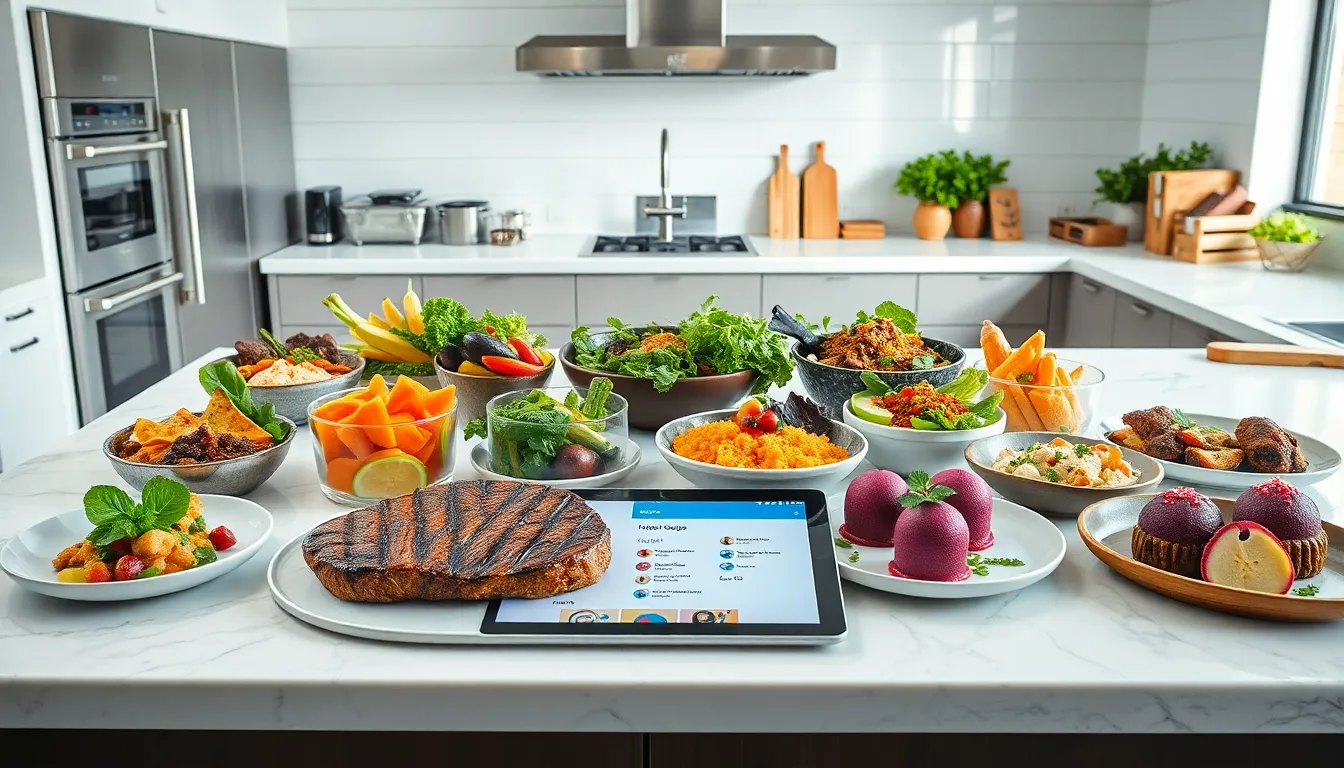
Food trends ideas are shaping how people eat, cook, and think about meals in 2026. From plant-based proteins to AI-powered kitchens, the food industry continues to surprise consumers with fresh concepts. This year brings a mix of health-conscious choices, global flavor exploration, and tech-forward dining experiences. Whether someone runs a restaurant, works in food service, or simply loves to cook at home, these food trends ideas offer inspiration for the year ahead. Here’s what’s making waves on plates and in pantries this year.
Table of Contents
ToggleKey Takeaways
- Food trends ideas in 2026 highlight plant-based innovations like mushroom proteins and precision-fermented dairy that rival traditional animal products.
- Global flavors from West African and Filipino cuisines are gaining mainstream popularity, with fusion concepts offering thoughtful blends of culinary traditions.
- Sustainability drives food trends ideas through zero-waste cooking, upcycled ingredients, and compostable packaging choices.
- Functional foods targeting gut health, stress management, and sleep quality reflect consumers treating food as medicine.
- AI-powered kitchen assistants, ghost kitchens, and 3D food printing are transforming how people cook and experience meals.
- Local sourcing and seasonal menus remain essential as restaurants build direct relationships with regional producers.
Plant-Based Innovations Taking Center Stage
Plant-based eating has moved far beyond basic veggie burgers. In 2026, food trends ideas center on creative alternatives that rival their animal-based counterparts in taste and texture.
Mushroom-based proteins lead the charge. Companies now use mycelium to create whole-cut steaks, bacon strips, and seafood substitutes. These products offer a meaty bite without the environmental footprint of traditional livestock farming.
Precision fermentation has also gained traction. This process uses microorganisms to produce animal-free dairy proteins, resulting in cheese and ice cream that taste remarkably close to the real thing. Major food brands have invested heavily in this technology, bringing prices down for everyday consumers.
Another interesting shift involves hybrid products. Some manufacturers blend plant proteins with small amounts of animal ingredients to create options for flexitarian eaters. These hybrids reduce meat consumption while maintaining familiar flavors.
Restaurants have embraced these food trends ideas too. Fine dining establishments now feature plant-based tasting menus that showcase vegetables as the star attraction. Chefs treat cauliflower, beets, and carrots with the same care they once reserved for prime cuts of beef.
Global Flavors and Fusion Cuisine
Diners in 2026 want bold, authentic tastes from around the world. Food trends ideas this year reflect a growing appetite for regional cuisines that go beyond mainstream options.
West African flavors have gained significant attention. Ingredients like suya spice, jollof rice, and scotch bonnet peppers appear on menus across major cities. These dishes bring heat, depth, and complexity that American palates find exciting.
Filipino cuisine has also stepped into the spotlight. Adobo, sinigang, and ube desserts now show up in fast-casual restaurants and grocery store aisles. The sweet-sour-salty profile of Filipino cooking appeals to adventurous eaters.
Fusion concepts continue to thrive, but with more thoughtful execution. Korean-Mexican mashups, Japanese-Italian hybrids, and Indian-Chinese combinations respect the origins of each cuisine while creating something new. Chefs research traditional techniques before blending them with other cultures.
Street food also drives these food trends ideas. Night markets and food halls featuring international vendors have become popular gathering spots. People want the authentic experience of eating Thai boat noodles or Jamaican jerk chicken in casual settings.
Sustainable and Zero-Waste Cooking
Sustainability has become a core value for food businesses and home cooks alike. Food trends ideas in 2026 prioritize reducing waste and protecting the environment.
Nose-to-tail and root-to-stem cooking practices have gone mainstream. Restaurants use every part of an animal or vegetable, turning scraps into stocks, sauces, and side dishes. This approach reduces food waste while creating unique menu items.
Upcycled ingredients represent another major trend. Companies transform food byproducts, like spent grain from breweries or fruit pulp from juice production, into new products. Crackers, chips, and protein powders made from these materials now fill grocery shelves.
Packaging has also changed. Many food brands have switched to compostable containers, reusable packaging systems, and minimal wrapping. Consumers actively seek out products that align with their environmental values.
Local sourcing remains important among these food trends ideas. Farm-to-table isn’t just a buzzword anymore. Restaurants build direct relationships with nearby producers, shortening supply chains and supporting regional economies. Seasonal menus reflect what’s actually growing in the area, not what can be shipped from across the globe.
Functional Foods and Wellness-Focused Eating
People increasingly view food as medicine. Food trends ideas in 2026 reflect this mindset, with products designed to support specific health goals.
Adaptogens continue their rise in popularity. Ingredients like ashwagandha, reishi mushrooms, and lion’s mane appear in everything from coffee to chocolate bars. These substances claim to help the body manage stress and improve focus.
Gut health remains a priority. Fermented foods like kimchi, kefir, and kombucha have secured permanent spots in many households. New probiotic-rich products target specific digestive issues and immune support.
Protein has expanded beyond traditional sources. Cricket flour, algae-based supplements, and lab-grown proteins offer alternatives for those seeking high protein without conventional meat or dairy. Athletes and fitness enthusiasts have embraced these options.
Sleep-promoting foods represent emerging food trends ideas worth watching. Tart cherry products, magnesium-infused snacks, and herbal tea blends marketed for better rest have found eager buyers. The connection between diet and sleep quality drives consumer interest in these products.
Mood-boosting ingredients also attract attention. Foods containing omega-3s, B vitamins, and amino acids linked to serotonin production now carry labels highlighting their potential mental health benefits.
Technology-Driven Food Experiences
Technology continues to reshape how people discover, prepare, and enjoy food. Food trends ideas in 2026 include several tech-forward developments.
AI-powered cooking assistants have become household fixtures. These devices suggest recipes based on available ingredients, dietary restrictions, and personal preferences. They adjust cooking times and temperatures automatically, making complex dishes accessible to beginners.
Ghost kitchens have evolved beyond pandemic-era necessity. These delivery-only operations now offer specialized cuisines and chef collaborations that wouldn’t work in traditional restaurant settings. The model allows for rapid menu testing and niche concepts.
3D food printing has found practical applications. Restaurants use printers to create intricate garnishes, custom chocolate designs, and personalized nutrition bars. The technology enables precise portion control and consistent presentation.
Smart appliances connect to form integrated kitchen ecosystems. Refrigerators track inventory and suggest recipes before ingredients expire. Ovens preheat automatically when users start a recipe on their phones. These food trends ideas make cooking more efficient and reduce household food waste.
Virtual dining experiences have also gained ground. Some restaurants offer augmented reality elements that enhance the meal with visuals, sounds, and storytelling. Diners can learn about ingredient origins or watch cooking techniques while eating.