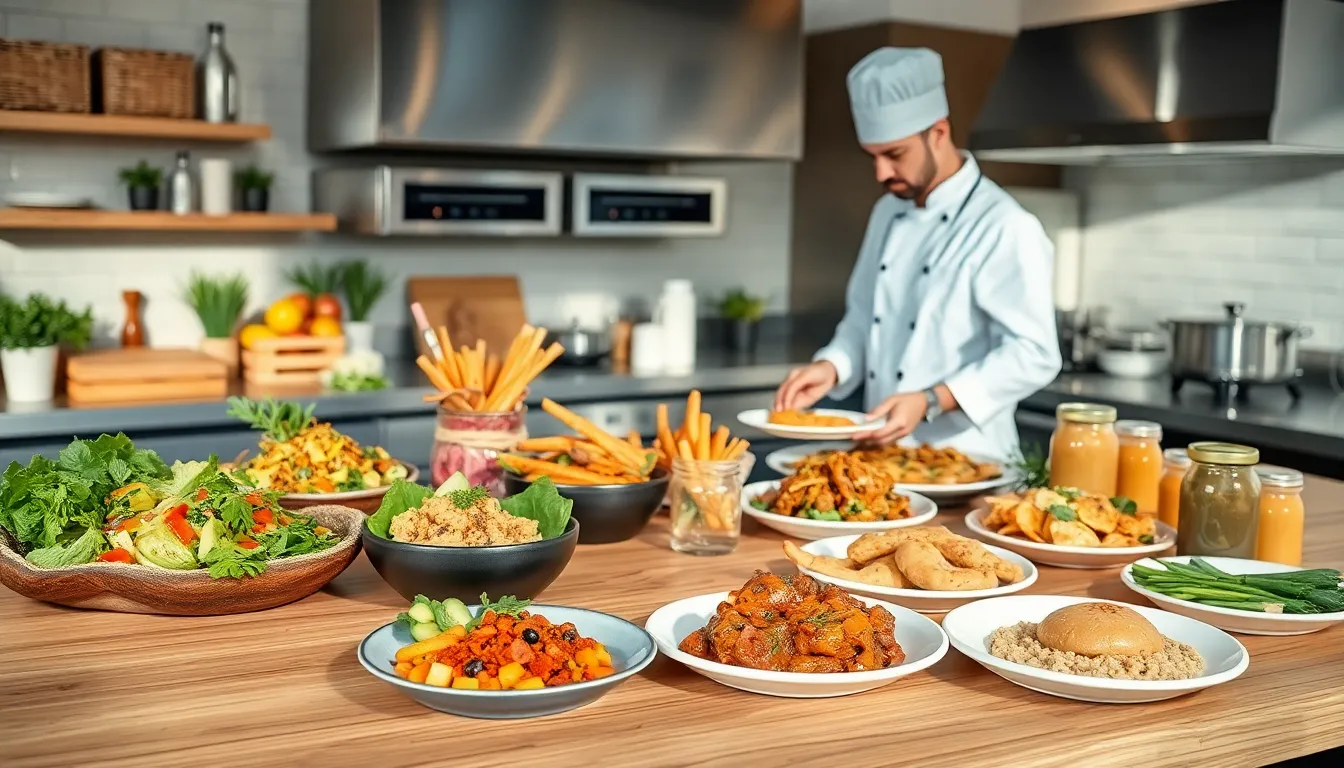
The best food trends of 2025 reflect a shift in how people eat, cook, and think about their plates. Plant-based proteins have moved from niche health stores to mainstream menus. Global flavors are merging in unexpected ways. Sustainability isn’t just a buzzword, it’s shaping supply chains and restaurant kitchens alike.
This year, food isn’t simply about taste. It’s about values, wellness, and a desire to reconnect with familiar flavors in fresh formats. Whether someone is a home cook exploring new ingredients or a restaurant owner tracking consumer preferences, these trends offer clear direction. Here’s what’s defining the food landscape in 2025 and what’s likely to stick around for years to come.
Table of Contents
ToggleKey Takeaways
- The best food trends of 2025 prioritize values, wellness, and sustainability alongside great taste.
- Plant-based proteins have gone mainstream, with innovations like mycelium steaks and algae-based fish alternatives winning over flexitarians and meat-eaters alike.
- Global flavors from West African, Filipino, and Korean cuisines are permanently reshaping American palates and grocery store aisles.
- Regenerative agriculture and upcycled foods are driving the sustainability movement, proving eco-friendly practices can enhance flavor and nutrition.
- Functional foods featuring adaptogens, gut-health ingredients, and sleep-supporting compounds reflect consumers’ desire for food that delivers specific health benefits.
- Nostalgic comfort foods are making a comeback with modern upgrades, blending emotional wellness with elevated ingredients and global influences.
Plant-Based Innovation Goes Mainstream
Plant-based eating has officially crossed the threshold from trend to standard practice. In 2025, it’s not just vegans and vegetarians filling their carts with meatless options. Flexitarians, people who eat mostly plants but occasionally include meat, now represent a significant portion of the market.
The innovation here is striking. Companies have moved past the basic veggie burger. Today’s plant-based products include whole-cut steaks made from mycelium, fish alternatives crafted from algae, and dairy-free cheeses that actually melt properly. Brands like Impossible Foods and Beyond Meat continue to refine their formulas, while newer players bring fermentation-based proteins to grocery shelves.
Restaurants are responding. Fast-casual chains now feature plant-based options as permanent menu items, not afterthoughts. Fine dining establishments incorporate vegetables as the star of the plate rather than a side dish.
This shift reflects consumer demand for protein sources that require less land, water, and energy to produce. It also signals a change in palate. People genuinely enjoy these products. The best food trends succeed when they deliver on both ethics and flavor, and plant-based innovation checks both boxes.
Global Flavors and Fusion Cuisine
Borders are blurring on dinner plates. The best food trends of 2025 draw heavily from global cuisines, with diners showing strong appetite for bold, unfamiliar flavors.
West African ingredients like suya spice, shito (a pepper sauce from Ghana), and fonio grain are appearing on American menus. Filipino dishes such as sisig and kare-kare have moved from ethnic enclaves to mainstream restaurants. Korean gochujang now sits next to ketchup in many home refrigerators.
Fusion cuisine has also matured. Chefs blend traditions with intention rather than gimmick. A taco might feature Korean short ribs with kimchi slaw. A pizza could showcase Indian-spiced lamb with raita drizzle. These combinations work because they respect source cuisines while creating something new.
Social media accelerates this exchange. A viral TikTok video can introduce millions to a regional dish overnight. Young consumers especially seek out authentic experiences and aren’t satisfied with watered-down versions.
Grocery stores reflect this shift too. International aisles are expanding. Specialty ingredients that once required a trip to an ethnic market now sit on mainstream shelves. The message is clear: global flavors aren’t a passing phase. They’re reshaping the American palate permanently.
Sustainable and Regenerative Eating
Sustainability has been a food buzzword for years. But in 2025, the conversation has deepened. Consumers now ask harder questions about where their food comes from and how it was produced.
Regenerative agriculture sits at the center of this shift. Unlike conventional farming, regenerative practices aim to restore soil health, increase biodiversity, and capture carbon. Brands that source from regenerative farms are earning consumer trust, and premium prices.
Upcycled foods represent another growing category. These products transform food waste into new ingredients. Think flour made from spent brewery grain, or snacks created from imperfect produce that would otherwise be discarded. The Upcycled Food Association now certifies hundreds of products, making it easier for shoppers to identify these options.
Packaging matters too. Single-use plastics are falling out of favor. Consumers prefer compostable containers, refillable systems, and minimal packaging overall.
Restaurants are adapting their practices. Many now highlight local sourcing on menus. Some have eliminated beef entirely due to its carbon footprint. Others partner directly with farms to reduce supply chain emissions.
These best food trends show that sustainability isn’t separate from quality. In fact, foods produced with care for the environment often taste better. Regenerative farming builds healthier soil, which produces more nutritious crops. It’s a virtuous cycle that benefits everyone.
Functional Foods and Wellness-Driven Choices
Food as medicine isn’t a new concept, but 2025 has supercharged it. Functional foods, products designed to deliver specific health benefits, are flooding the market.
Adaptogens like ashwagandha, reishi, and lion’s mane mushroom appear in everything from coffee to chocolate bars. These ingredients claim to reduce stress, improve focus, and support immune function. While scientific evidence varies, consumer interest remains high.
Gut health continues to dominate. Fermented foods like kimchi, kefir, and kombucha maintain strong sales. Prebiotic fibers and postbiotics have joined probiotics as the next wave of digestive support products.
Protein remains king. Consumers want more of it, and they want it from diverse sources. Cricket flour, pea protein, and egg white snacks cater to this demand. High-protein versions of traditionally carb-heavy foods, pasta, bread, pancakes, fill grocery aisles.
Sleep-supporting foods have emerged as a new category. Products containing magnesium, L-theanine, or tart cherry promise better rest. Beverages designed to replace the evening cocktail with calming herbs are gaining traction.
These best food trends reflect a population managing stress, seeking energy, and trying to optimize health through diet. Whether these products deliver on their promises is sometimes debatable. But the direction is unmistakable: consumers want their food to work harder for them.
Nostalgic Comfort Foods With a Modern Twist
Sometimes progress means looking backward. Comfort food is having a moment in 2025, but it’s not your grandmother’s meatloaf, at least not exactly.
Classic dishes are returning with upgrades. Chefs are elevating nostalgic favorites using premium ingredients and modern techniques. Mac and cheese might feature high-end aged cheddar and truffle oil. Chicken pot pie could include free-range poultry and handmade puff pastry.
Retro snacks from the 1980s and 1990s are making comebacks. Limited-edition releases of discontinued products generate serious buzz. New brands create elevated versions of childhood favorites, think gourmet fruit snacks or organic toaster pastries.
This trend connects to emotional wellness. After years of uncertainty, people crave familiar flavors that evoke safety and simpler times. Food memories carry powerful associations, and smart brands tap into that psychology.
Global comfort foods are joining the rotation too. Japanese curry, Mexican birria, and Italian Sunday gravy all satisfy the comfort craving while expanding flavor profiles.
The best food trends balance innovation with accessibility. Nostalgic comfort food does exactly that. It gives consumers permission to enjoy simple pleasures while still offering something fresh and interesting. It proves that looking forward doesn’t require abandoning what people already love.